How Silane-Modified Colloidal Silica Can Improve Waterborne Coatings
Adding silica does not guarantee a harder or more durable coating. The particles must disperse well and work with the binder. Silane modification changes the particle surface, helping formulators address compatibility problems that can limit the benefits of conventional colloidal silica.
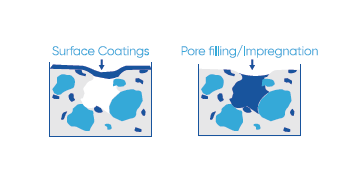
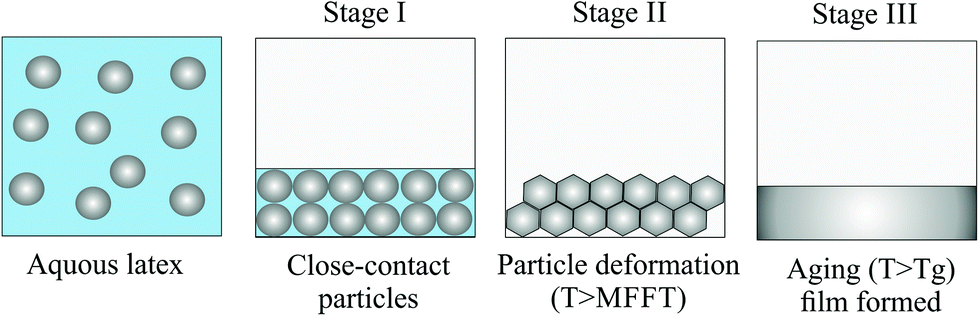
The Interface Is Part of the Formulation
A coating combines ingredients with different surface chemistries. Silica has a strongly hydrophilic surface, while the polymer binder may interact with it less favorably. In an incompatible mixture, particles can cluster or the formulation can thicken during storage.
Even when the wet coating appears acceptable, poor distribution or weak interaction at the particle–binder interface can limit the performance of the dried film.
What Silane Modification Changes
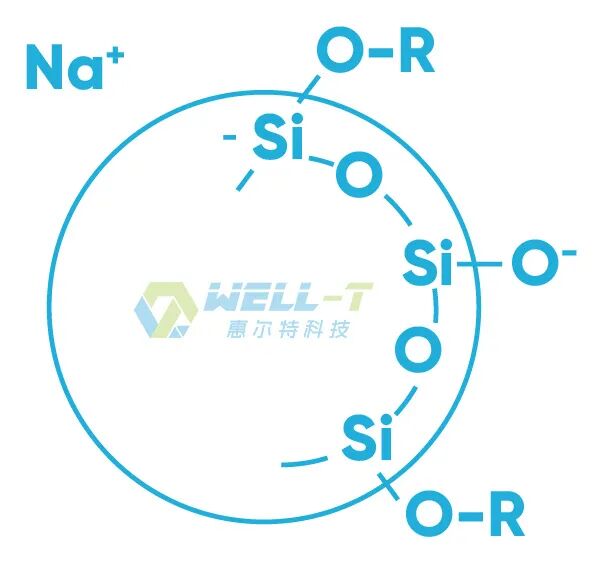
Silane treatment introduces organic groups onto the silica surface. The choice of silane changes how the particle interacts with the surrounding binder and other ingredients. Suitable modification can improve compatibility and reduce unwanted aggregation.
Research by Peter Greenwood at Chalmers University of Technology found that silane-modified silica could improve resistance to electrolyte-induced gelling and permit more stable mixtures with polymer latexes. The work also reported increased hardness in latex coatings and improvements in pigmented coating properties.
Translating Better Dispersion into Film Performance
When the silica is distributed more evenly, the coating can make better use of its reinforcing effect. The improvement in hardness, abrasion resistance, or stain resistance will still depend on the resin, silica loading, surface treatment, and drying or curing conditions.
These properties should be tested separately. A harder film does not automatically offer better stain resistance, and maximum hardness may not suit an application that also requires flexibility.
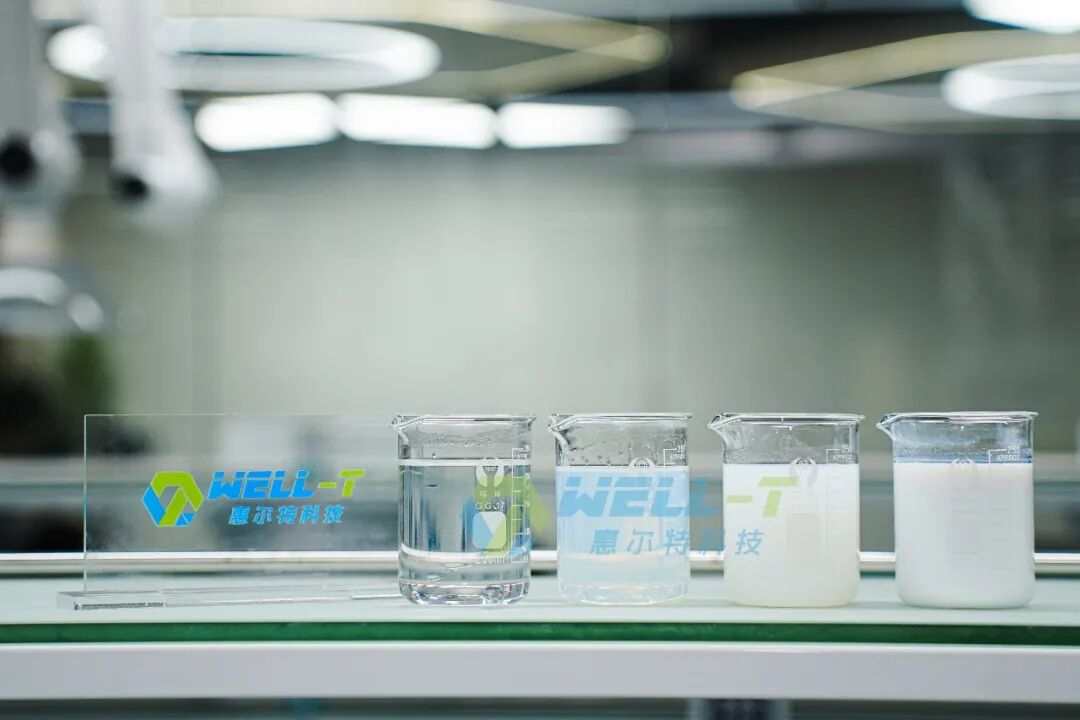
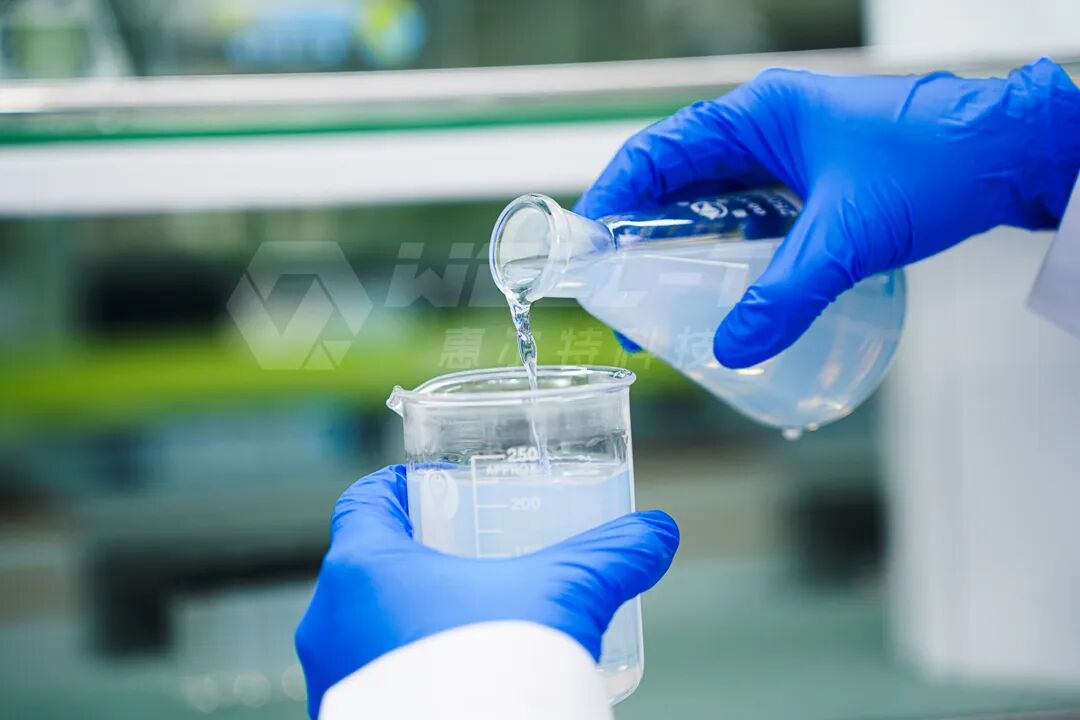
WELL-T Silane-Modified Colloidal Silica
WELL-T has developed silane-modified colloidal silica for waterborne coating applications and established commercial production. With nearly 30 years of silica experience, the company supports customers in evaluating suitable grades and alternatives to imported materials.
References
P. Greenwood. Surface Modifications and Applications of Aqueous Silica Sols. Doctoral thesis, Chalmers University of Technology (2010). https://research.chalmers.se/publication/125449