Choosing a Silica Source for Y Zeolite Synthesis
The silica source can change how Y zeolite crystallizes, even when the target material is the same. A comparison of sodium silicate and colloidal silica illustrates why raw material selection deserves attention alongside the synthesis recipe.


Why the Starting Material Matters
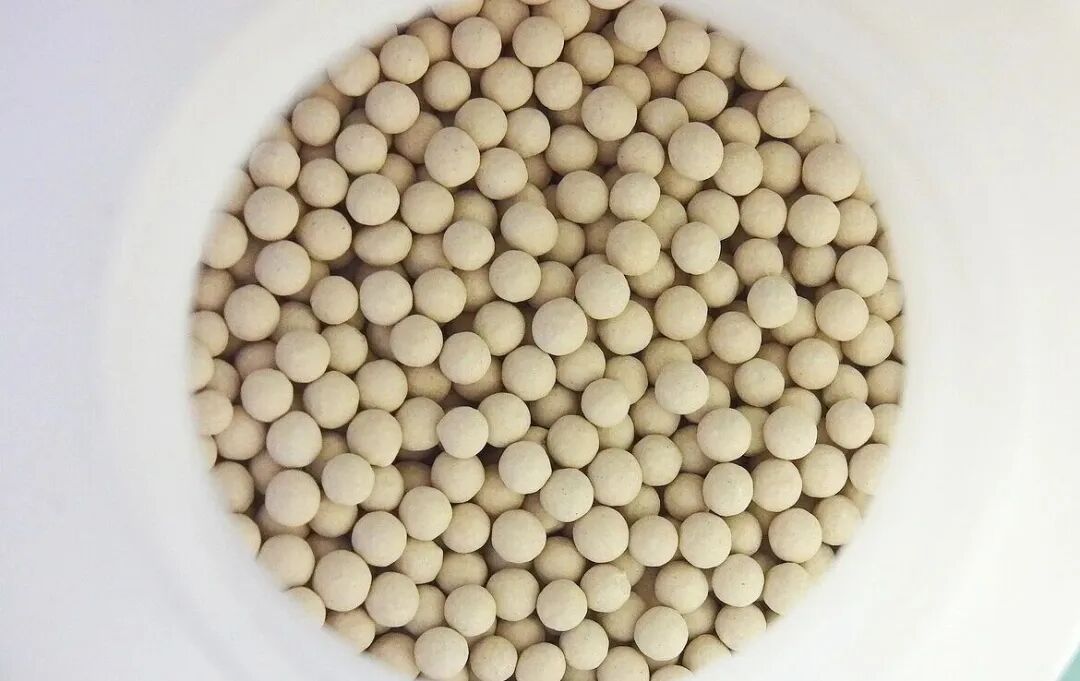
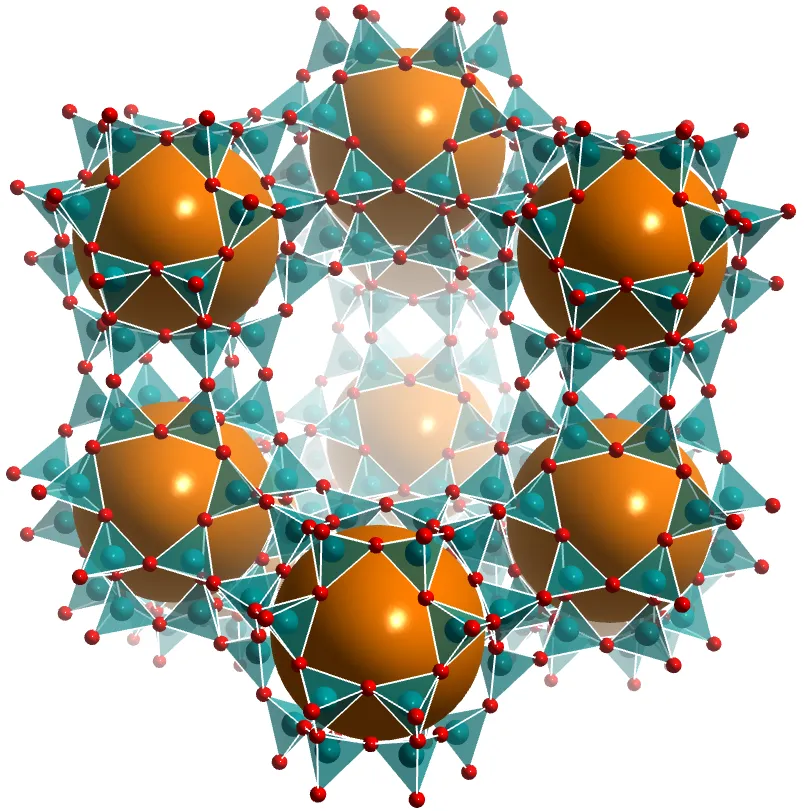
Y zeolite has a highly organized network of microscopic pores, known as the FAU framework. This structure makes it useful in refining catalysts, adsorption, and ion exchange. Producing it consistently requires control over how the silica and alumina building blocks become available during crystallization.
Sodium silicate, often called water glass, is a familiar industrial silica source. Colloidal silica supplies silica as fine particles dispersed in water. These starting materials can behave differently as they dissolve and reorganize in the alkaline synthesis mixture.
What the Comparison Found
A 2018 study by researchers at PETRONAS Research and Universiti Teknologi PETRONAS compared the two routes. The mixtures were aged for 24 hours and then crystallized hydrothermally at 90°C for 24 hours before washing and drying.
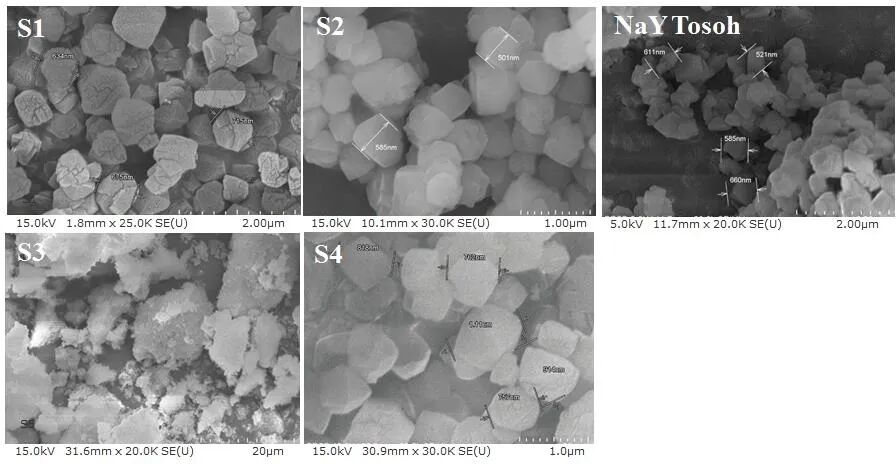
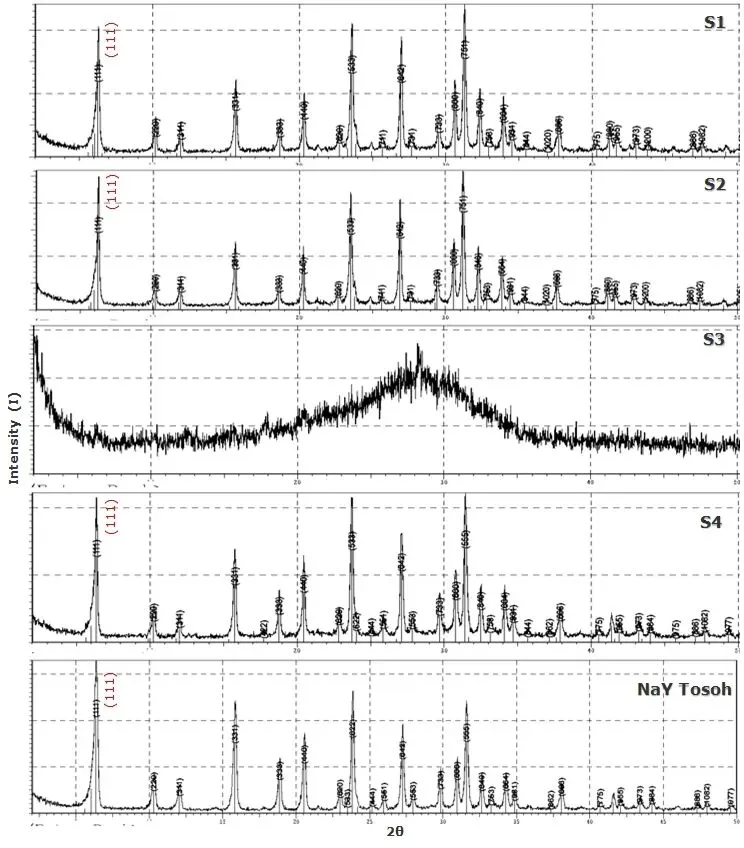
The colloidal silica route produced crystalline NaY without adding NaY seed crystals. The original article reports relatively uniform crystals of approximately 500–800 nm, supported by microscopy and X-ray diffraction observations.
These results show that the silica source can influence the product obtained under a given set of synthesis conditions. They do not establish one source as the best choice for every Y zeolite process.
Selecting for the Complete Process
For producers, the useful comparison includes crystallinity, crystal size, impurities, repeatability, and the washing or ion-exchange steps that follow synthesis. Colloidal silica offers another way to control the starting silica chemistry and should be evaluated within the complete process.
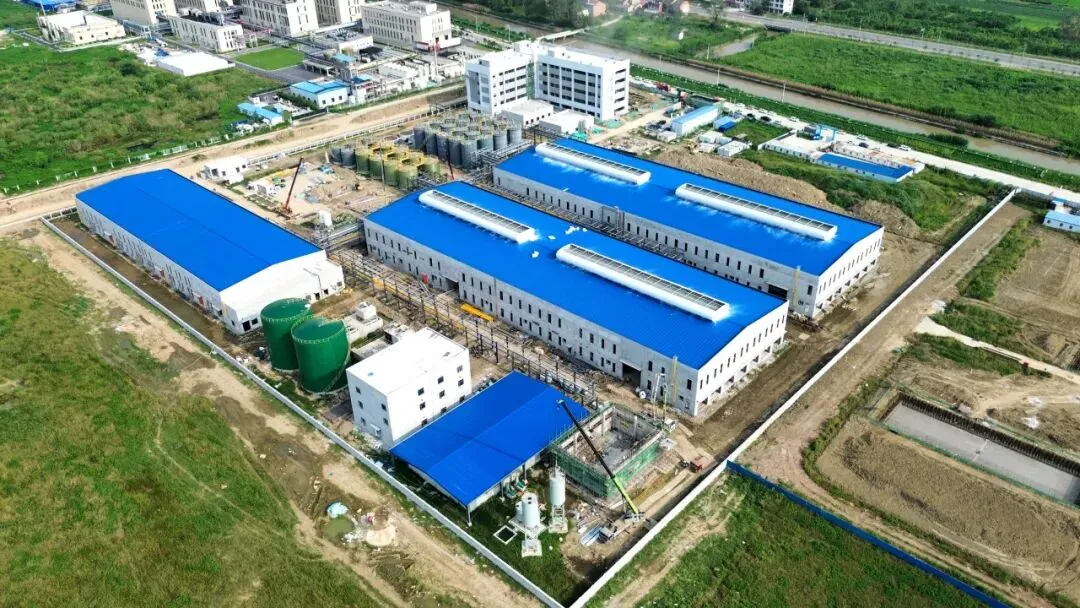
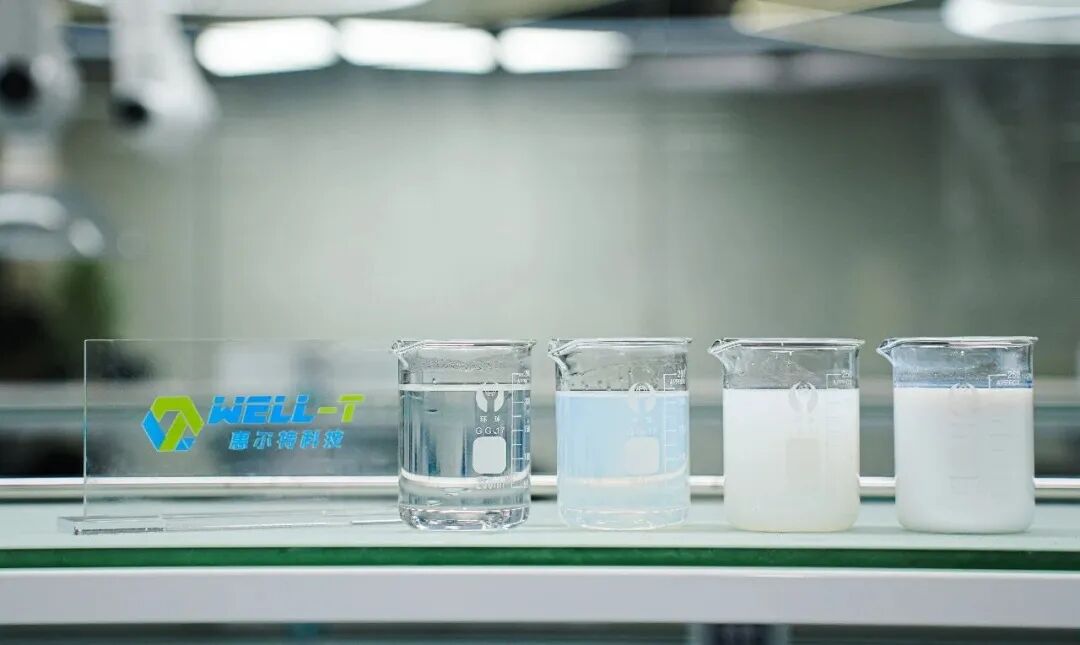
With nearly 30 years of colloidal silica experience, six production bases, and annual production and sales of approximately 200,000 metric tons, WELL-T develops grades for different application needs. The company continues to explore silica-source requirements with customers in zeolites, catalysts, and advanced inorganic materials.
References
M. Aimen Isa, T.L. Chew, and Y.F. Yeong. "Zeolite NaY Synthesis by using Sodium Silicate and Colloidal Silica as Silica Source." IOP Conference Series: Materials Science and Engineering, 458 (2018), 012001. https://doi.org/10.1088/1757-899X/458/1/012001