SKP-K3 Colloidal Silica for Easier Investment Casting Shell Removal
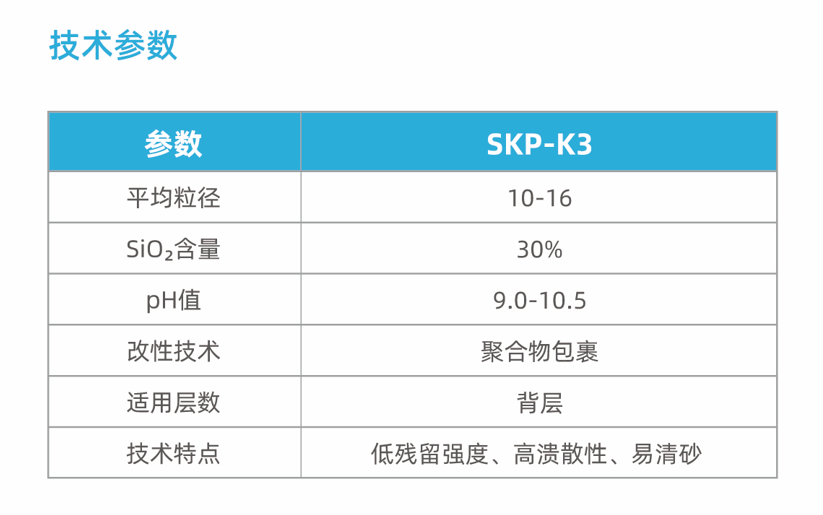
Removing ceramic shell from complex castings can consume time and increase the risk of damage. WELL-T's SKP-K3 backup-coat colloidal silica is designed to lower residual shell strength while maintaining the strength needed during shell building.
Addressing Difficult Internal Passages
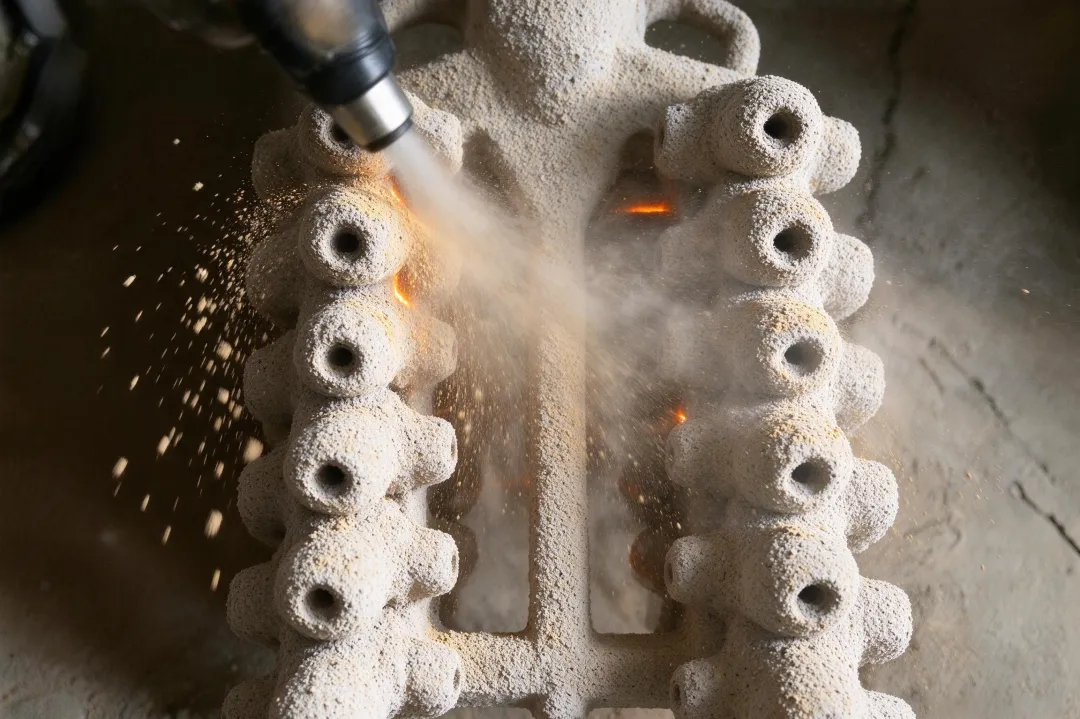
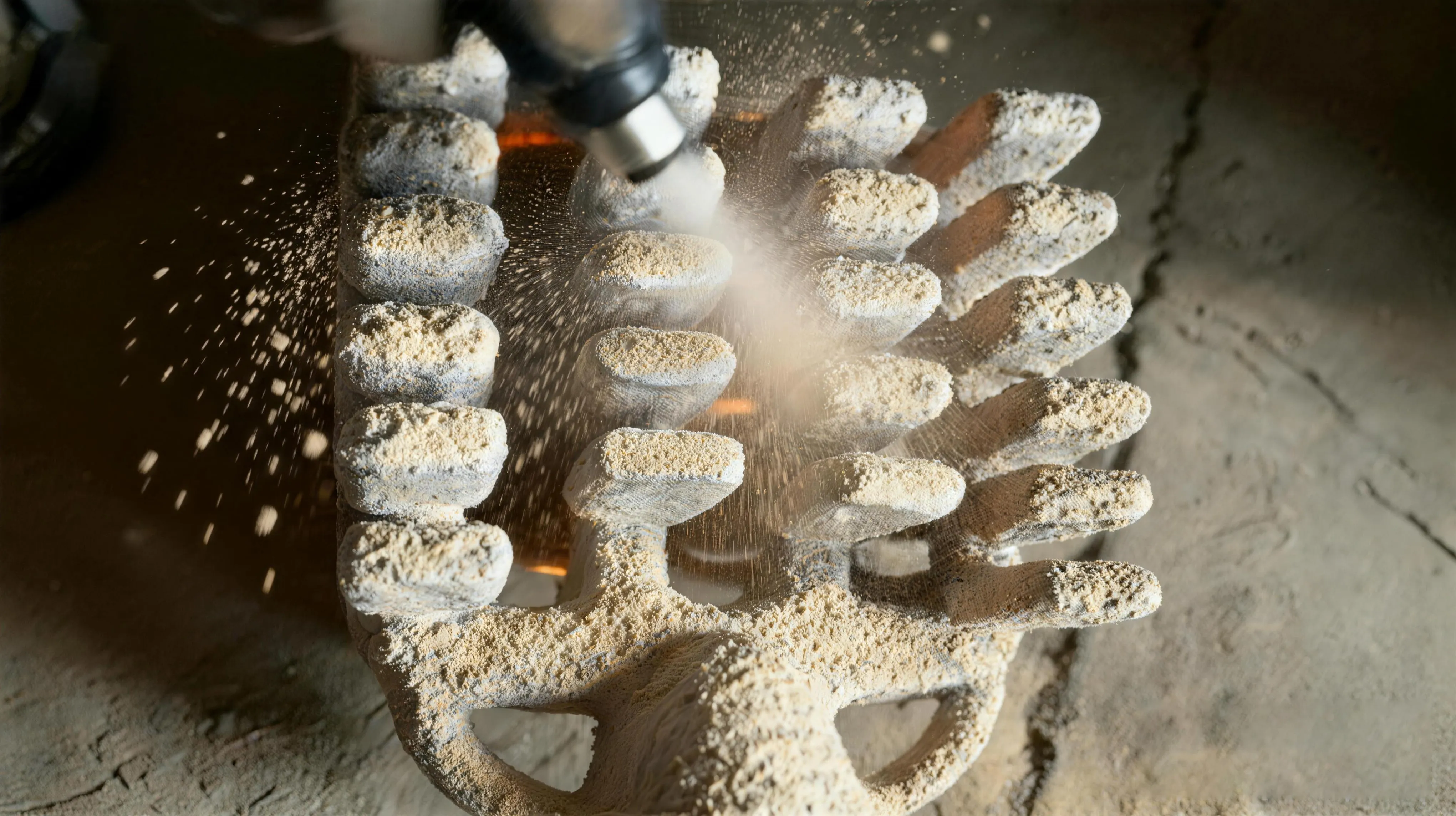
Deep holes, narrow channels, and complex internal cavities are difficult to clean when the fired shell remains too strong. Repeated impacts or extended vibration can increase labor and expose the casting to damage.
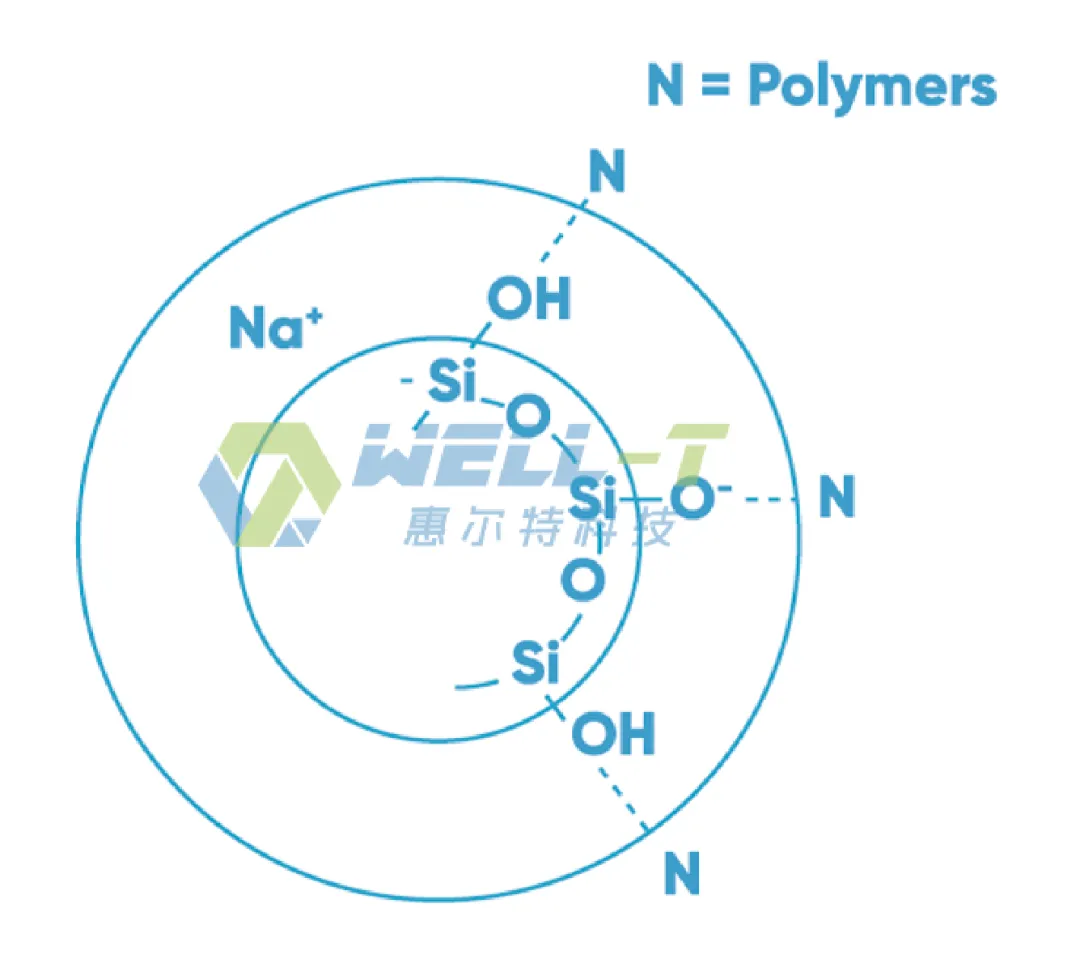
SKP-K3 uses a polymer-coating and pore-forming approach. During firing, the polymer decomposes and leaves a pore structure that helps the cooled shell fracture and break away more readily.
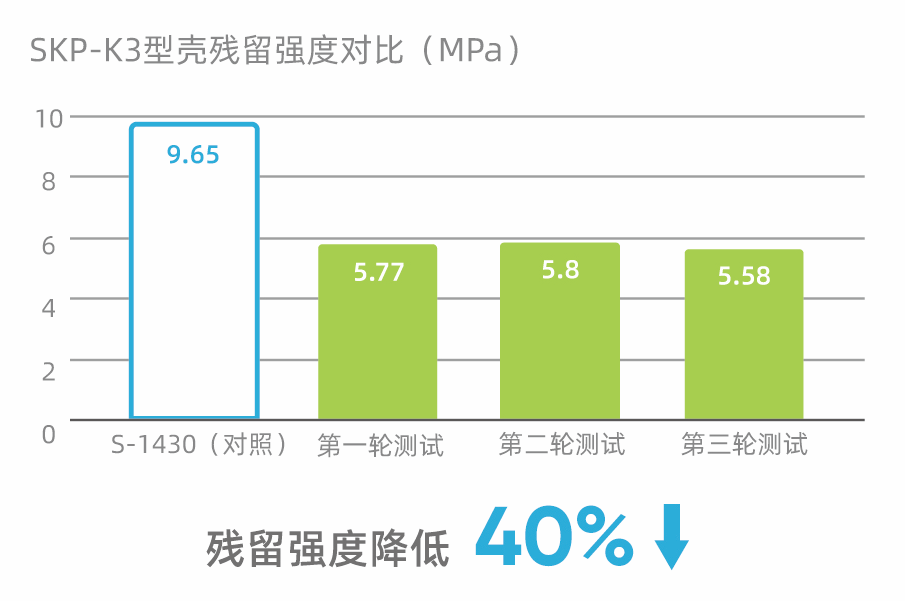
Approximately 40 Percent Lower Residual Strength
In WELL-T's reported parallel laboratory comparison, the average residual strength of SKP-K3 shells was 5.77 MPa, compared with 9.65 MPa for conventional S-1430. This is a reduction of approximately 40% under the tested conditions.
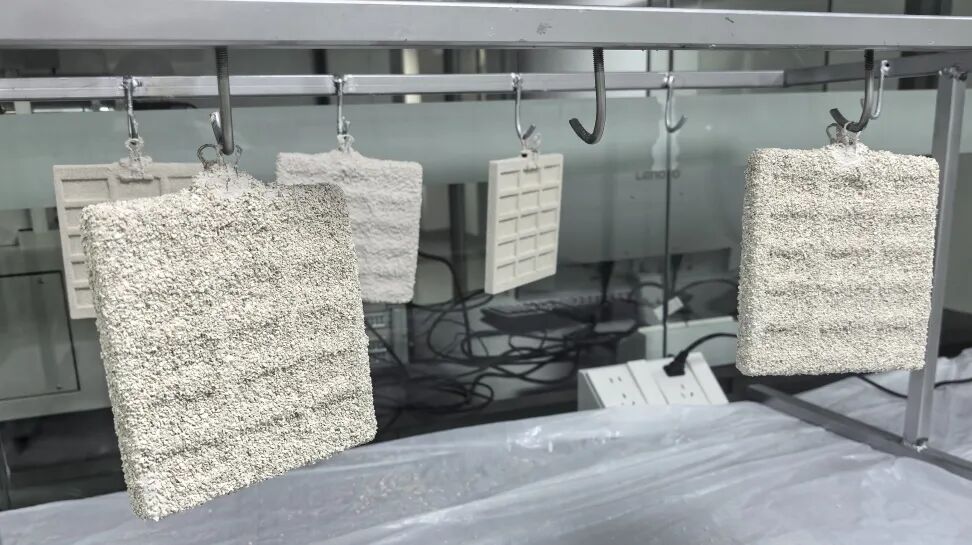
Both groups used a prime-coat slurry made with 325-mesh zircon flour and grade 830 colloidal silica. Backup coats used 200-mesh mullite flour. The backup binder was changed between S-1430 and SKP-K3, while the remaining shell-building and test conditions were held constant.
Maintaining Shell-Building Strength
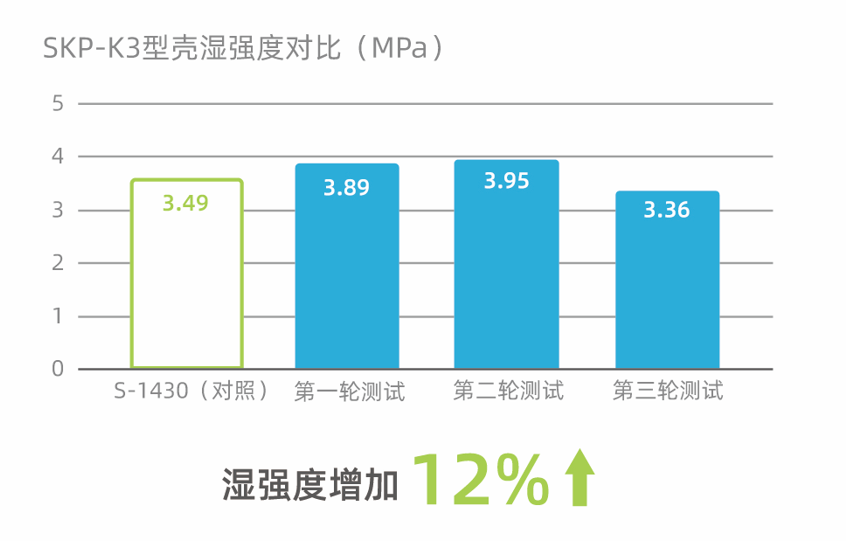
The reported comparison found wet strength comparable to the conventional product, supporting handling during shell building. This balance is important: easier knockout must be considered alongside the shell's requirements during dewaxing, firing, and pouring. Wet strength alone does not establish pouring performance.
Evaluating the Production Benefit
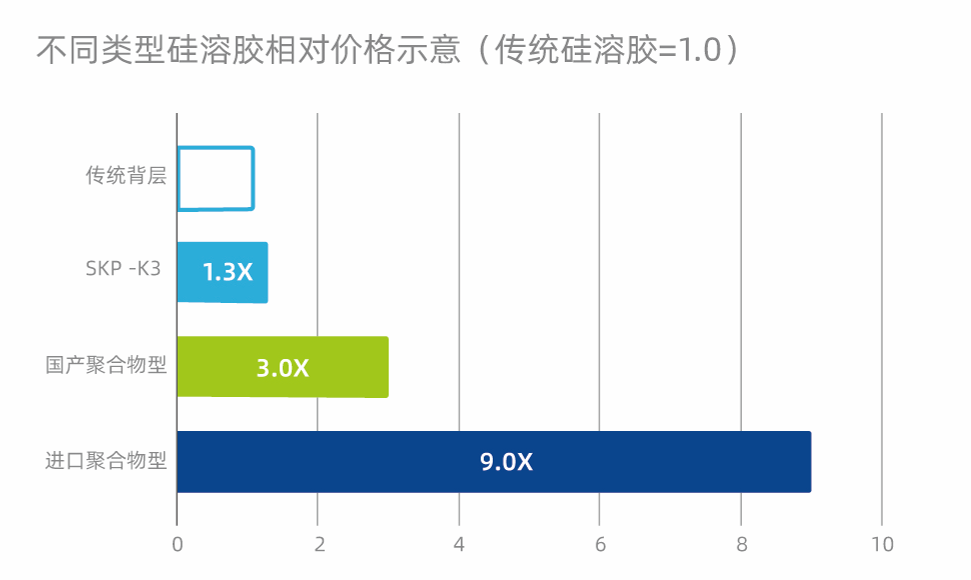
SKP-K3 is positioned as a modest increase in backup-binder cost in exchange for improved shell breakdown. Its overall value depends on the labor saved, cleaning time, and the effect on casting quality in the customer's process.
Relative price comparisons in the source are illustrative market estimates, not quotations. Laboratory and production comparison results can vary with raw materials, conditions, and process settings; foundry trials should confirm the benefit for the intended application.
SKP-K3
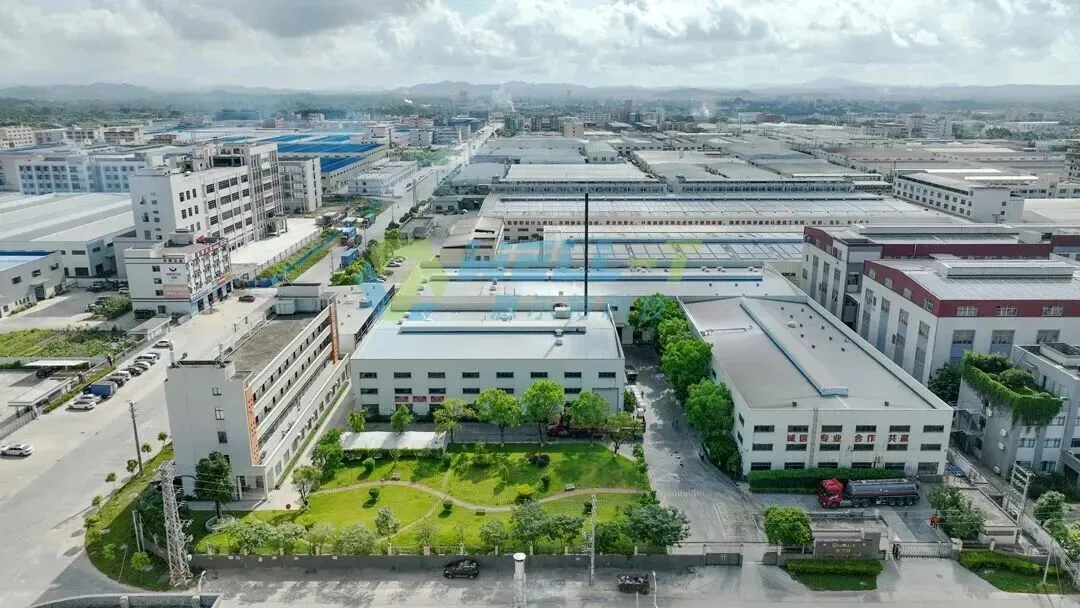
Backed by nearly 30 years of colloidal silica experience, WELL-T developed SKP-K3 to give foundries another way to improve a difficult finishing operation through the design of the backup shell.