Faster Shell Removal with SKP-K3: Results from Customer Trials
For investment casting foundries, removing ceramic shell from internal passages and enclosed geometries can be a time-consuming part of production. Limited tool access makes cleaning difficult, while thin sections require care to avoid damaging the casting.
Customer trials of Well-T’s SKP-K3 colloidal silica backup binder show how improved shell collapsibility can help address these challenges. Reported results include a reduction in shell removal time from 45 to 25 minutes and, in a separate comparison, from four days to two.
Pump Housings and Enclosed Impellers
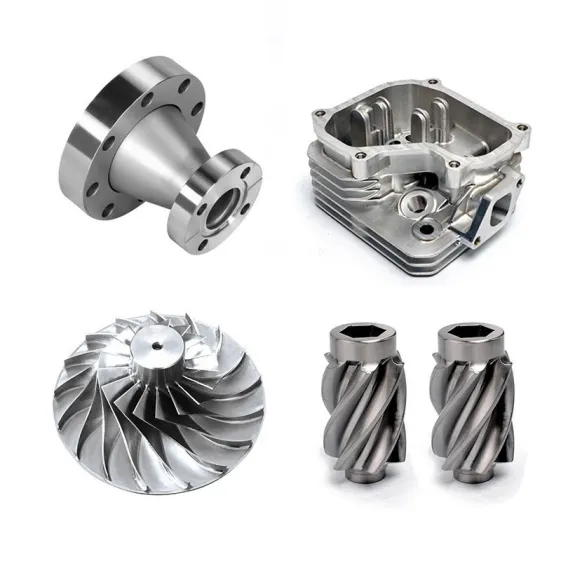
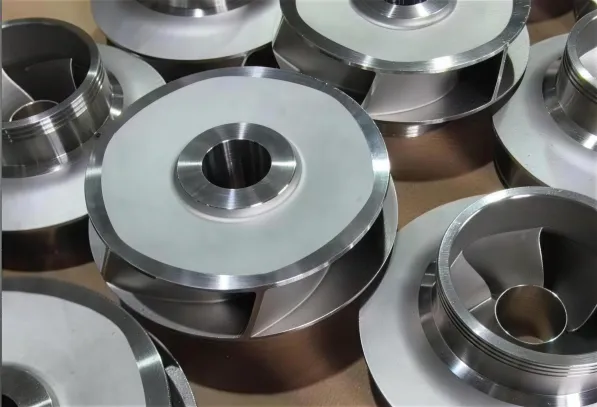
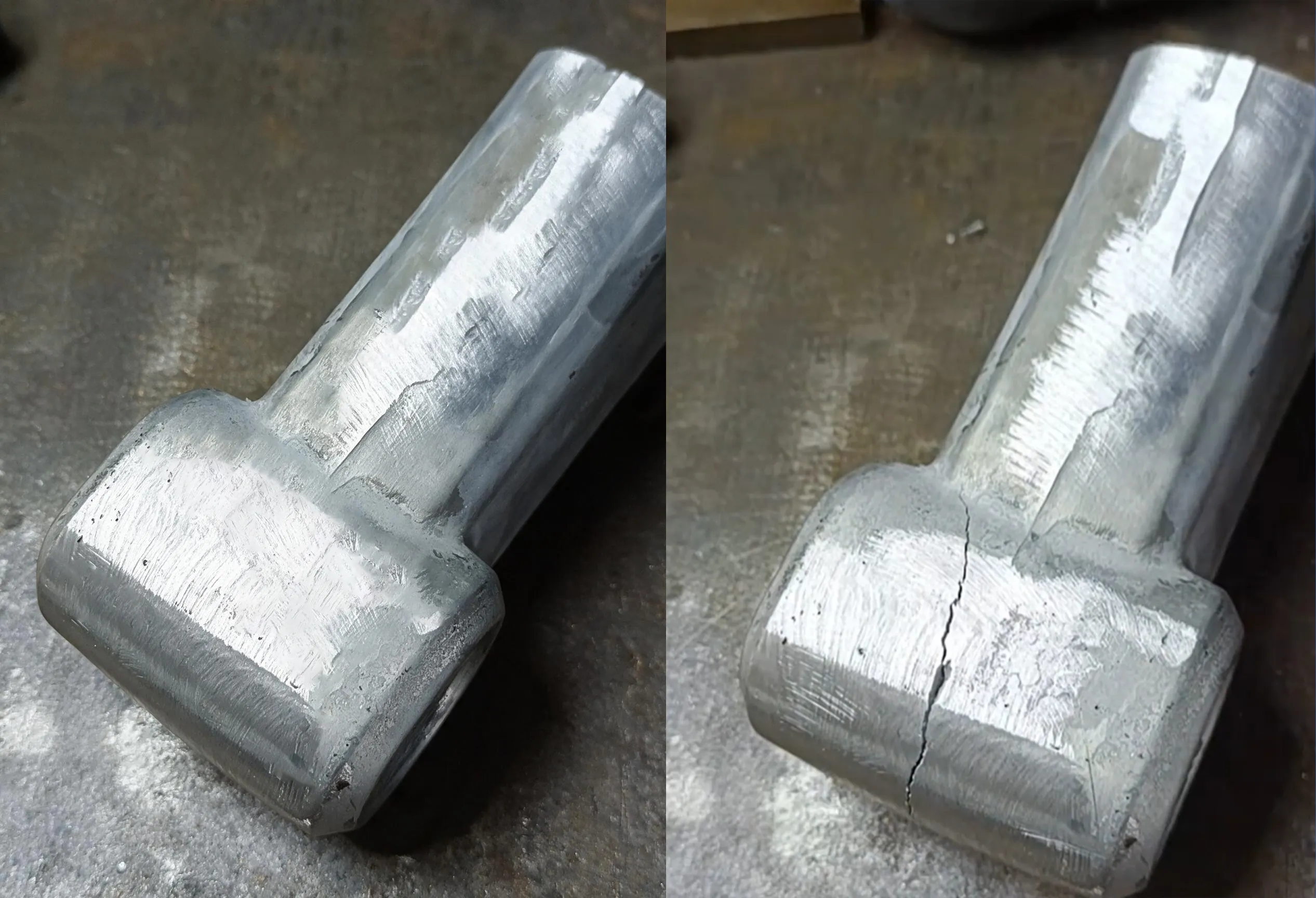
One customer tested SKP-K3 in the backup coats of shells for oxygen pump housings and enclosed impellers. These parts combined restricted internal access with thin sections that were vulnerable during cleaning.
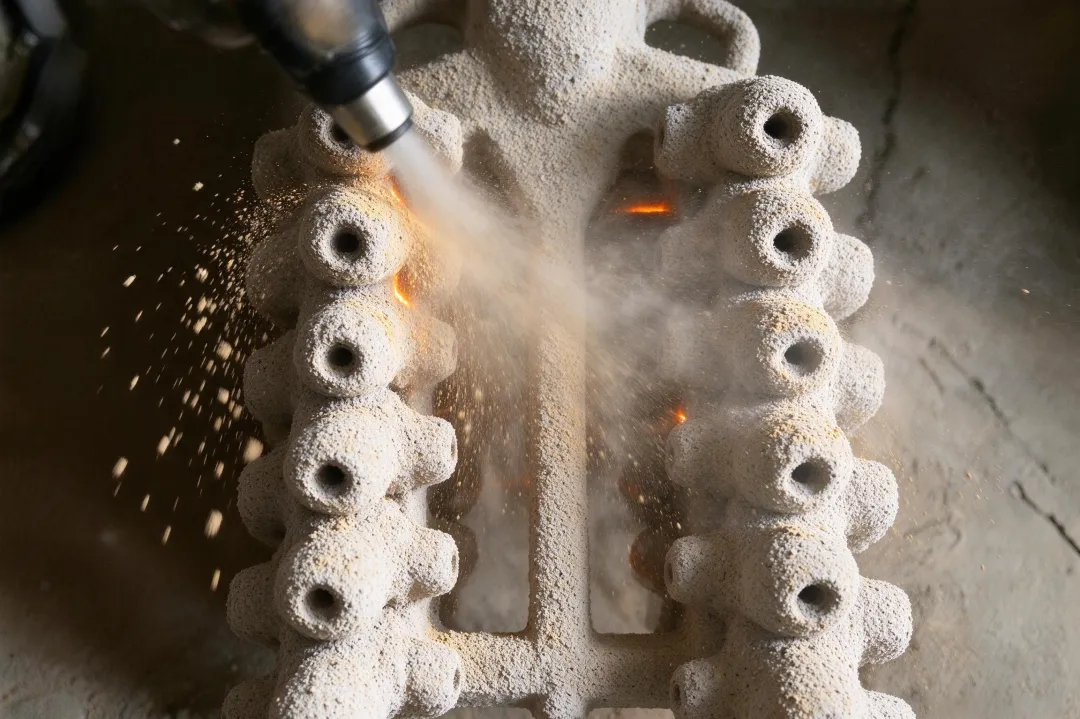
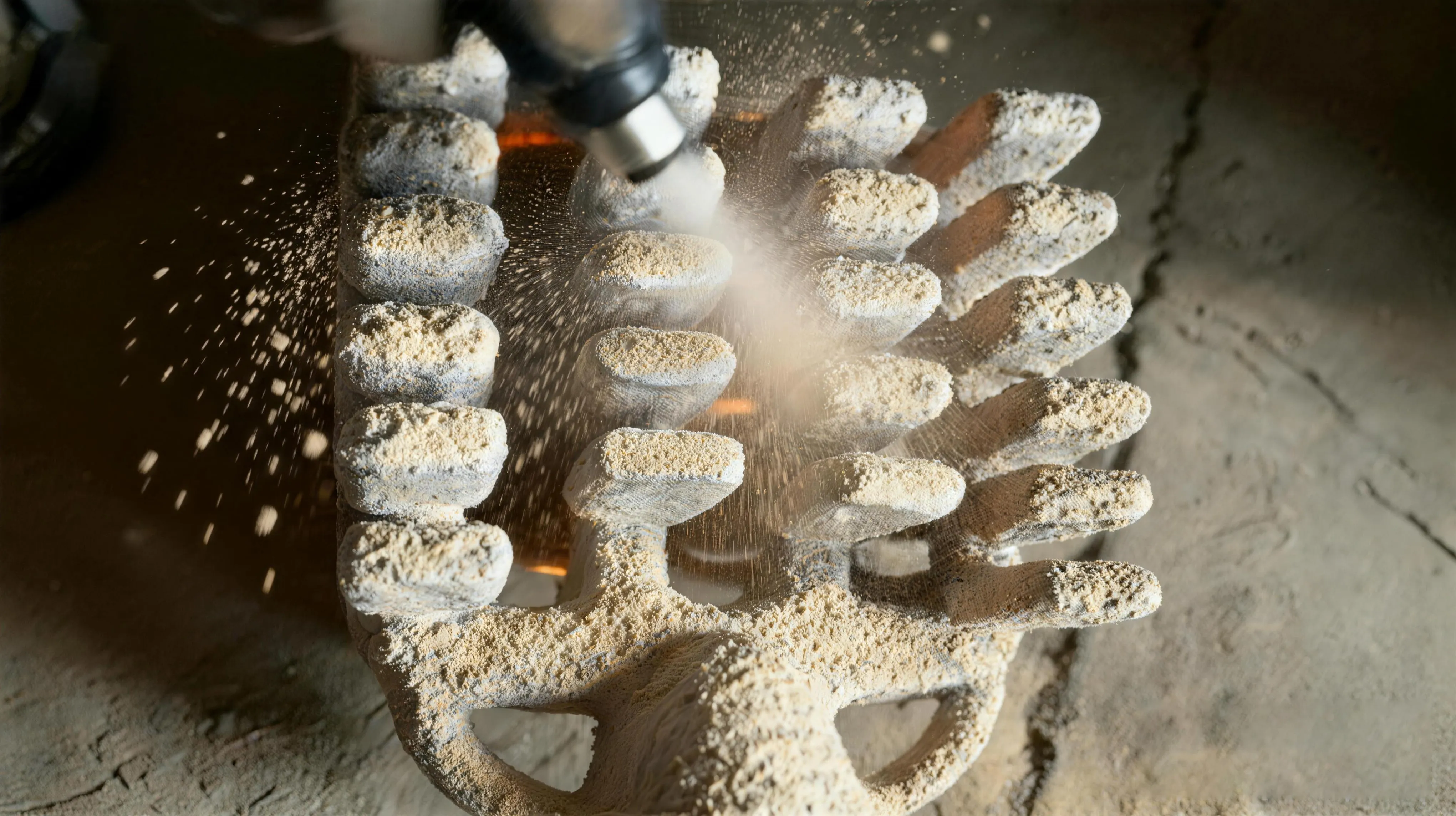
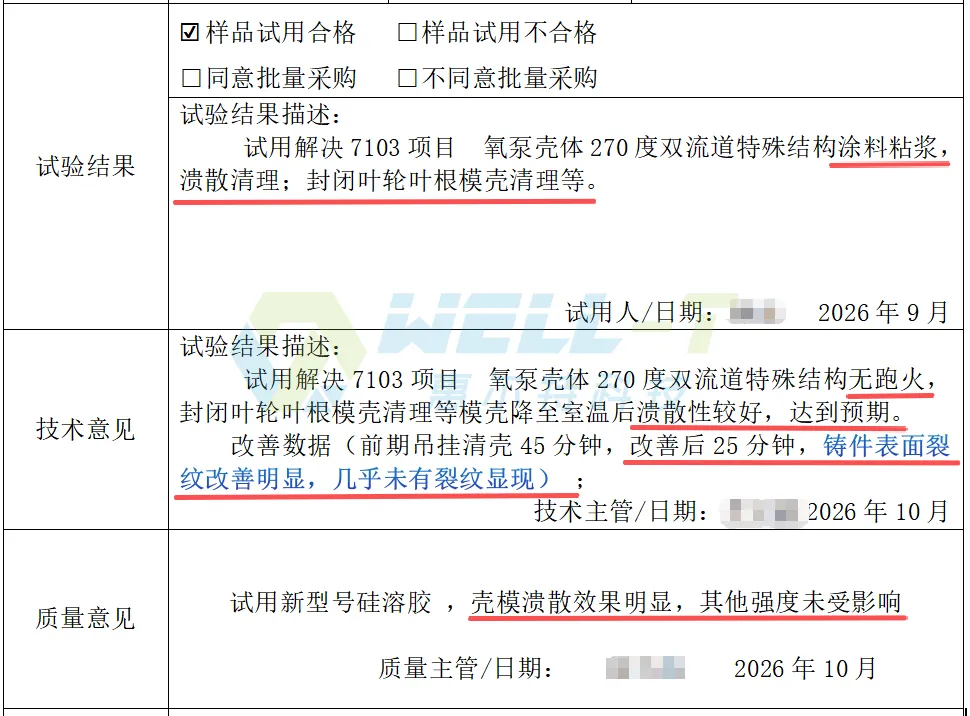
The customer reported that the shells broke down readily after cooling to room temperature. Shell removal time fell from 45 minutes to 25 minutes, a reduction of approximately 44%. Surface cracking also decreased substantially, with almost no cracks observed in the trial.
For an oxygen pump housing with a 270-degree dual-channel geometry, the customer reported no metal leakage during pouring. Their assessment noted improved shell collapsibility without an observed loss of other strength properties.
Automotive and Pump Components
Another customer, producing automotive components and pump and valve parts, reported that shell removal efficiency approximately doubled after switching to SKP-K3.
Following the trial, the customer placed a repeat order and planned to introduce the binder into production for parts that were particularly difficult to clean.
Multiple Batches with Consistent Results
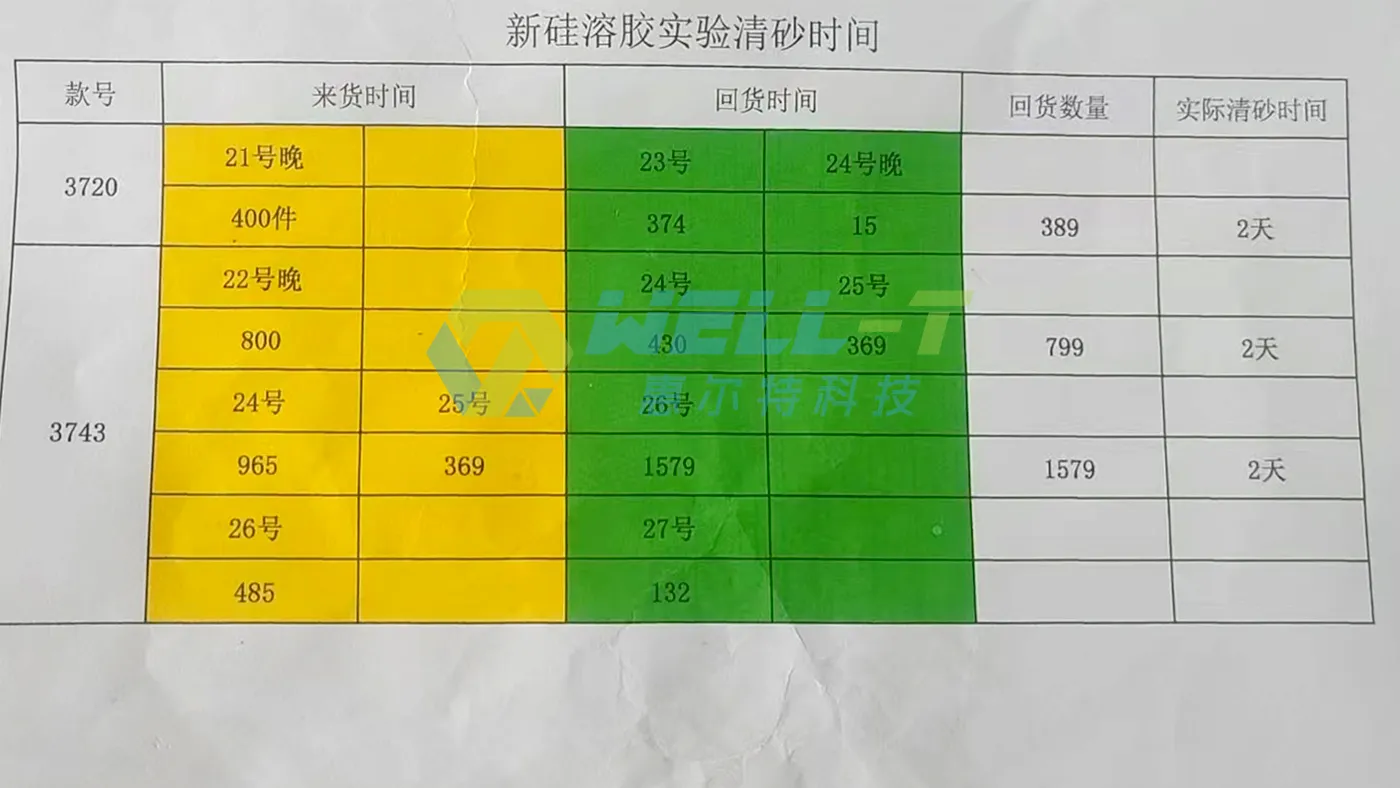
A third customer compared S-1430 and SKP-K3 on the same casting designs. Reported shell removal time decreased from four days to two days, while casting quality remained consistent.
The two-day turnaround was repeated across several batches of two main part numbers, giving the customer evidence beyond a single trial.
Assessing the Value for Your Process
These results reflect individual customer trials rather than a guaranteed reduction for every casting. The potential benefit depends on part geometry, shell construction, and the cleaning method used.
Foundries with deep cavities, narrow passages, or lengthy manual shell removal operations may find a comparative trial particularly useful. Evaluation should consider cleaning time, casting quality, rework, and total process cost alongside binder consumption and price.
With nearly 30 years of colloidal silica experience, Well-T supports foundry trials with samples, slurry preparation recommendations, and application testing.
Contact Well-T to discuss a side-by-side SKP-K3 trial using your existing shell-building process.