Improving Grip on Packaging Paper with Cationic Colloidal Silica
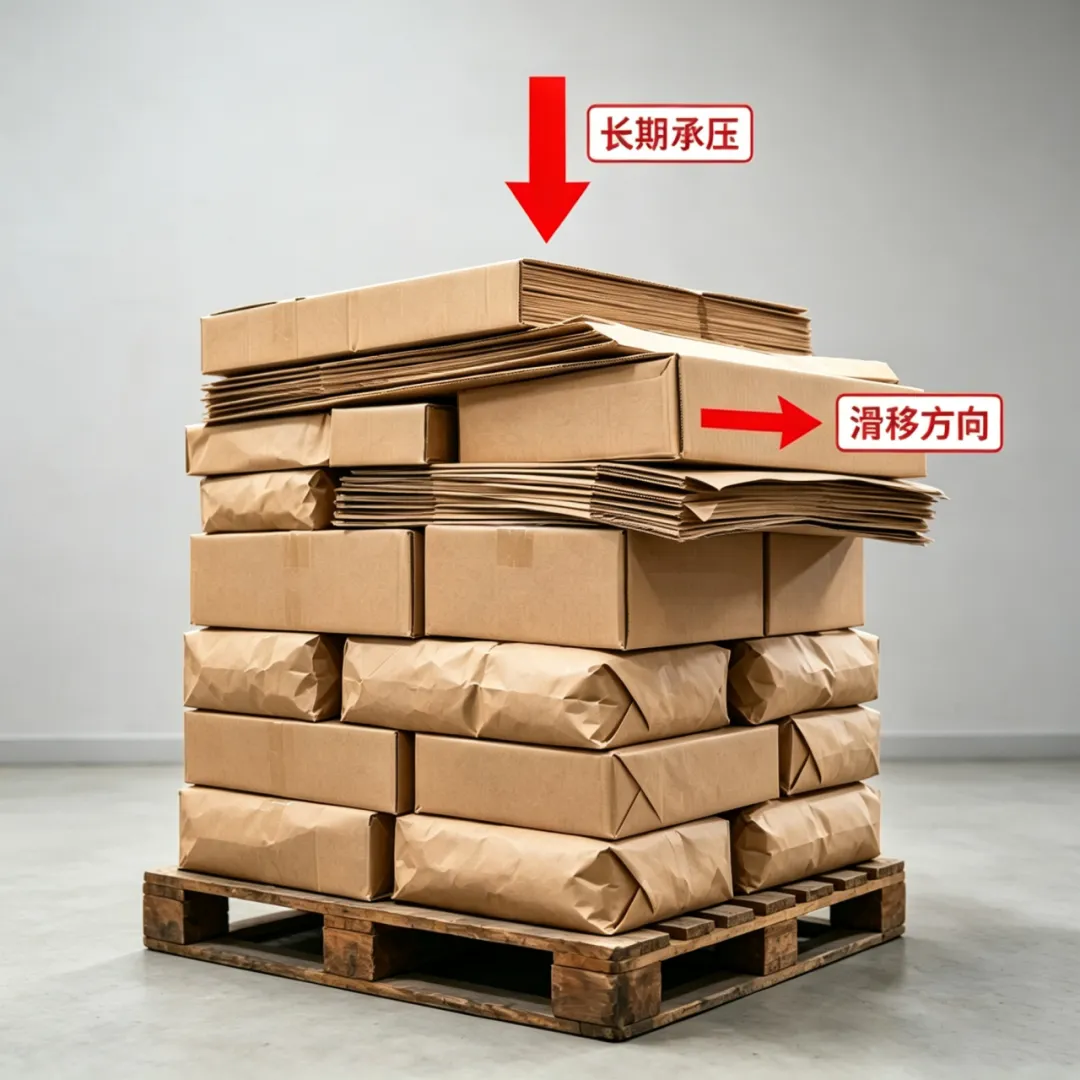
A kraft paper bag can feel rough and still slip in a stack. What matters is the friction between contacting surfaces under real conditions. Cationic colloidal silica offers a way to influence that friction by helping silica particles attach to paper fibers.


Why Rough Paper Can Still Slip
Paper friction depends on more than visible texture. Fiber structure, sizing, calendering, moisture, and pressure all affect how surfaces contact one another. During storage and transport, compressed contact areas may behave differently from a loose sheet.
Increasing paper strength alone will not necessarily prevent layers from sliding. A useful surface treatment must deliver consistent friction under the expected handling conditions.
Using Surface Charge to Improve Retention
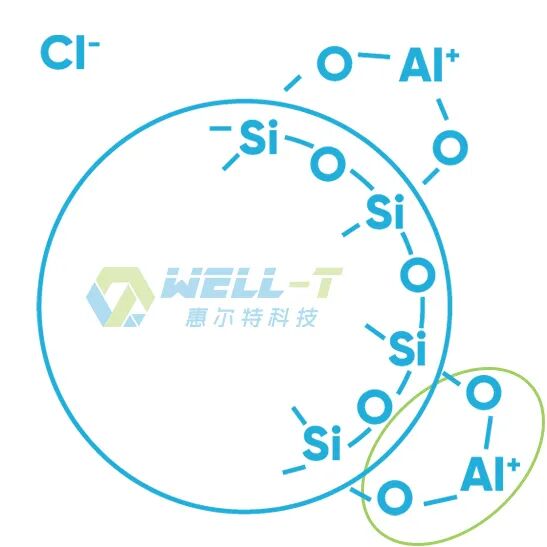
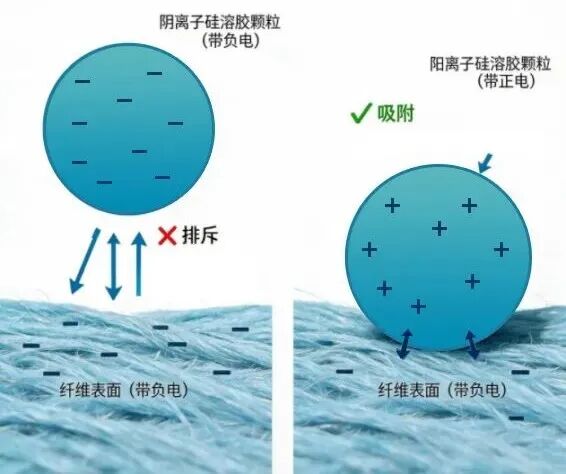
Pulp fibers commonly carry a negative charge. Cationic colloidal silica carries a positive charge under its intended conditions, which can promote attraction to those fibers and improve particle retention.
The retained particles change the surface contacts between sheets. Their effect on friction depends on distribution, dosage, and the paper system, making the application method an important part of the treatment.
What Research on Wet-Web Application Shows
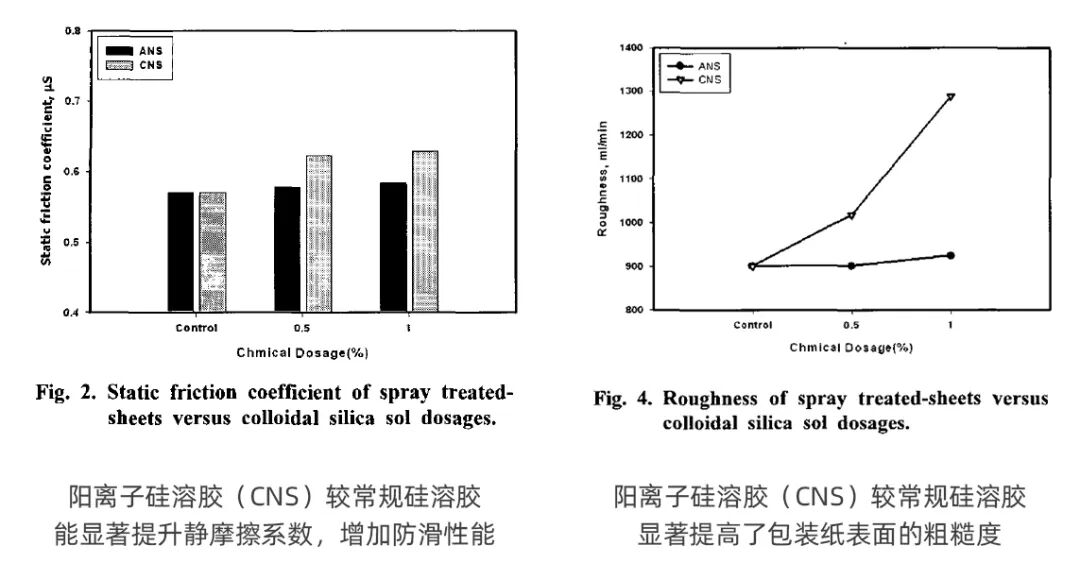
Lee and Kim compared cationic and anionic colloidal silica treatments on kraft paper. They investigated spraying onto the wet web as a way to improve friction while avoiding some of the particle scattering and machine contamination associated with spraying in the dryer section.
The study found that application conditions were closely related to pH and the electrical charge of both the wet web and silica sol. This supports a formulation-specific approach rather than assuming that one charge type will always perform best.
WELL-T Cationic Colloidal Silica
WELL-T has commercialized cationic colloidal silica for applications including paper, textiles, and coatings. Drawing on nearly 30 years of experience, the company supports product selection and process trials focused on surface charge, particle distribution, and compatibility with the customer's system.
References
W.-N. Lee and H.J. Kim. "The Control of Anti-slip Characteristics of Packaging Paper Using Nano-colloidal Silica." Journal of Korea TAPPI, 37(3) (2005), 33–40.