Aluminum-Modified Colloidal Silica for More Stable Formulations
Unexpected thickening can limit the usefulness of colloidal silica in coatings and concrete. Aluminum modification changes particle surface chemistry, offering another way to manage stability and compatibility when adjusting dosage alone does not solve the problem.

Stable in the Container Is Only the Starting Point
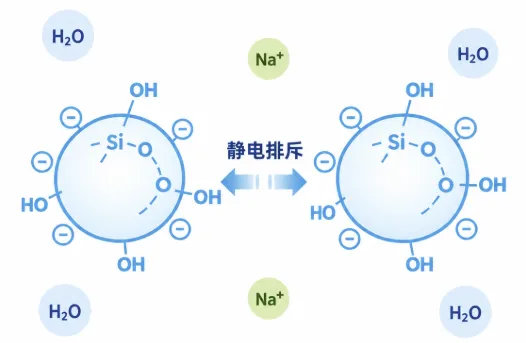
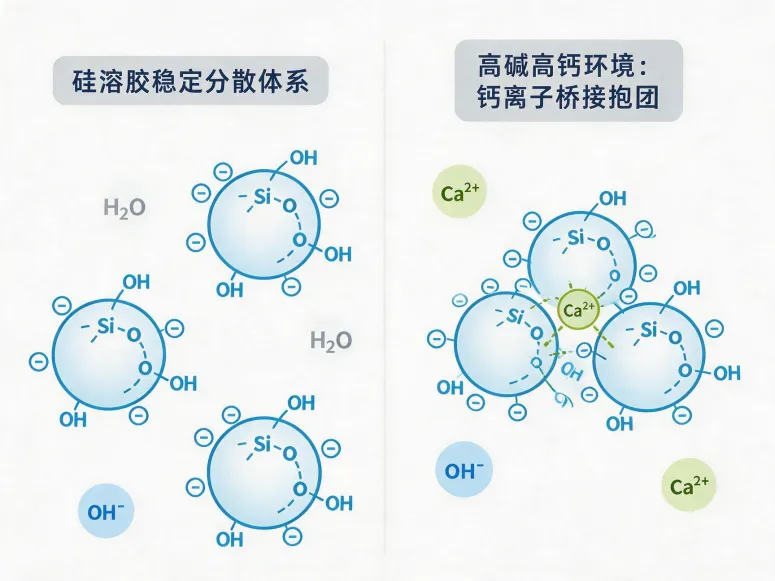
Conventional colloidal silica relies partly on repulsion between negatively charged particles to remain dispersed. Mixing it with other ingredients changes the chemical environment. Acidity can reduce that charge, while salts and multivalent ions can weaken repulsion or encourage aggregation.
The relevant question is how the silica behaves in the finished formulation, both immediately after mixing and after storage or waiting time.
Changing the Surface with Aluminum
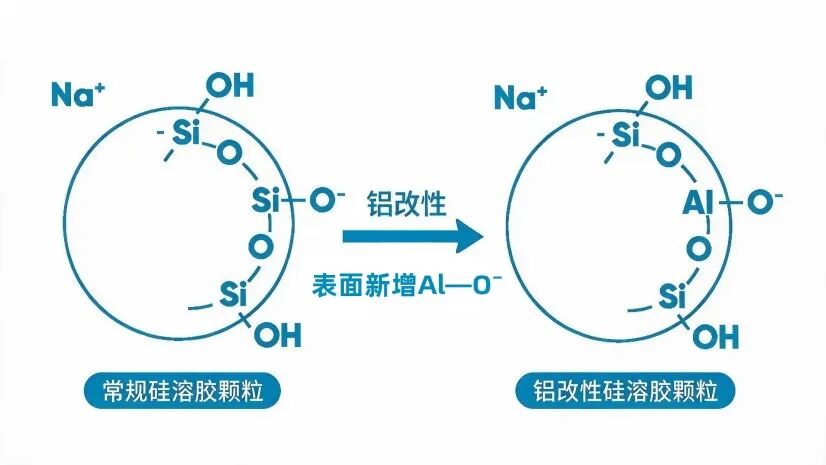
Aluminum modification creates aluminosilicate sites at the silica surface. These sites can help retain negative charge as pH falls, offering useful stability in selected acidic and neutral systems, including the pH 3–7 range discussed in the source.
This aluminum-modified, negatively charged silica should be distinguished from positively charged cationic silica. The two approaches address different surface interactions and are not interchangeable simply because both involve modification.
In Coatings
A useful comparison replaces the silica grade at the same dry silica dosage and tracks changes in viscosity, visible particles, and gelling during storage. Film properties should then be checked after application and curing.
A grade that mixes well initially may still thicken over time. Evaluating both stages helps establish whether the modified surface offers a real advantage in the chosen binder and additive system.
In Concrete
The challenge is maintaining dispersion in an alkaline, calcium-rich environment while retaining the required placement behavior. A patent comparison cited in the original article reported roughly 40% less loss of flow spread after 90 minutes for an aluminum-modified grade than for its conventional comparison.
That result is specific to the tested formulation. It provides a reason to investigate surface modification where transport or waiting time makes workability retention important.
WELL-T Application Support
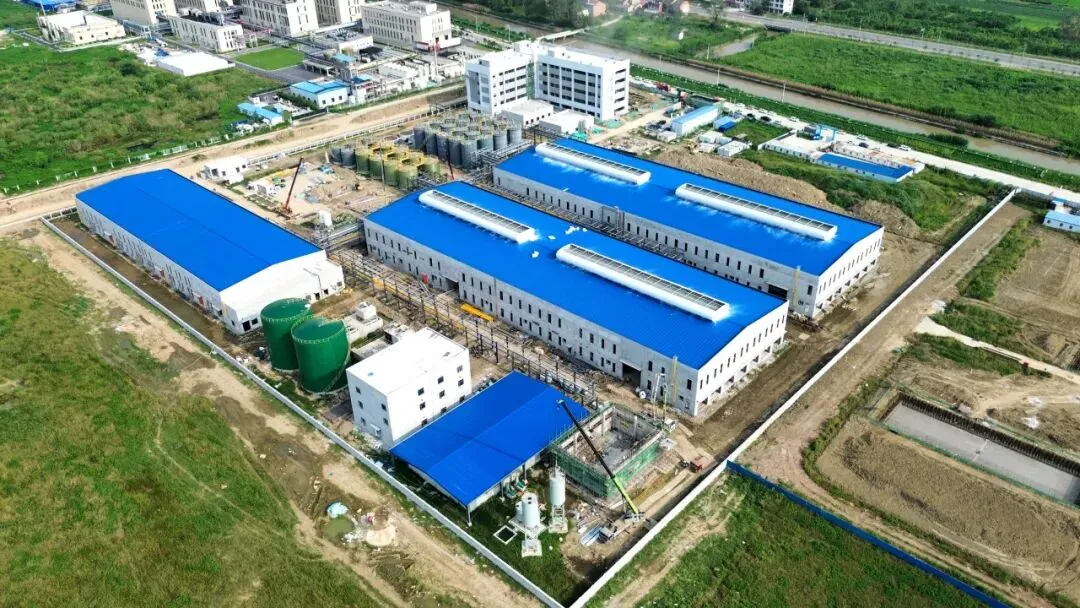
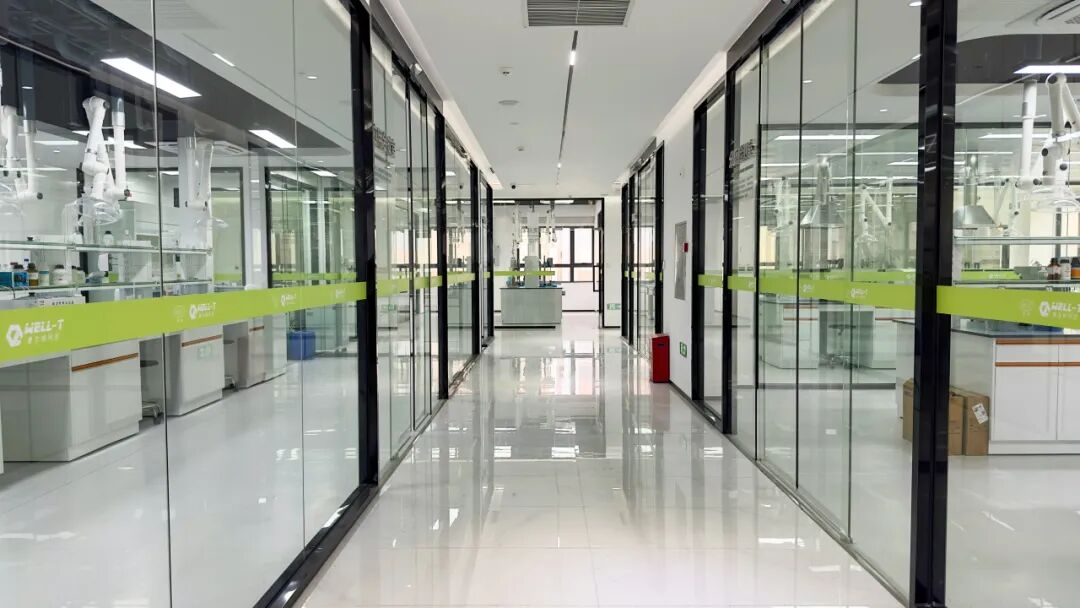
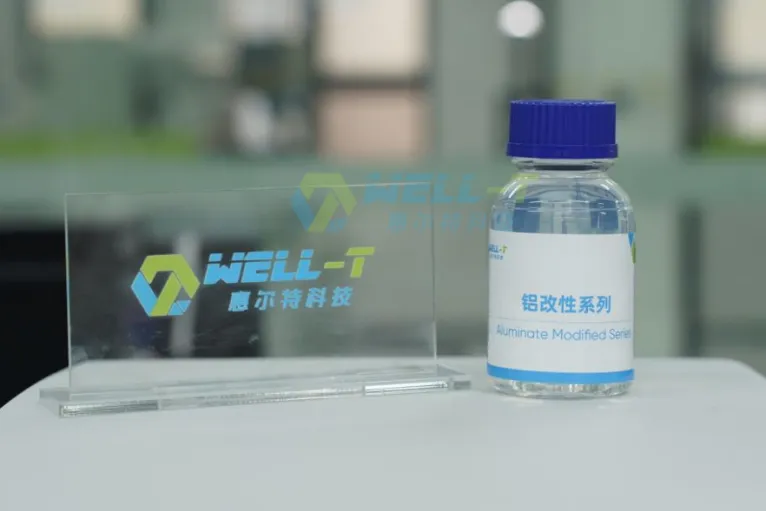
WELL-T has developed aluminum-modified colloidal silica as an alternative to imported grades in selected applications. With nearly 30 years of experience, the company supports product selection and compatibility testing for customers working with complex formulations.
References
R.K. Iler. "The Effect of Surface Aluminosilicate Ions on the Properties of Colloidal Silica." Journal of Colloid and Interface Science, 55(1) (1976), 25–34. https://doi.org/10.1016/0021-9797(76)90005-9
Construction Material. US6800130B2. https://patents.google.com/patent/US6800130B2/en